

Planning a group celebration sounds exciting until everyone’s preferences start rolling in. One person wants something relaxed, another prefers an energetic atmosphere, and someone else is worried about the budget. Finding an experience that brings everyone together can quickly become more complicated than expected.
Whether you’re organizing a milestone birthday, a family gathering, a reunion, or a celebration with friends, successful planning requires more than choosing an attractive venue. The goal is to create an experience where guests feel comfortable, included, and genuinely excited to participate.
Here are some practical ways to organize a group celebration that works for different personalities, interests, and expectations.
Start With the People, Not the Venue
One common planning mistake is choosing a location before understanding what the group actually wants.
A stylish restaurant might appeal to some guests but disappoint others who prefer activities and entertainment. Similarly, a packed event schedule can feel overwhelming to people who simply want time to socialize.
- Is the celebration formal, casual, or somewhere in between?
- Would guests prefer conversation, entertainment, or a combination?
- Are there accessibility or mobility considerations?
- How far will people need to travel?
- What budget feels reasonable for the group?
You don’t need unanimous agreement on every detail. Instead, identify the priorities most guests share.
For example, if the group values spending time together, prioritize a setting where people can comfortably interact rather than an activity that separates them into smaller groups.
This approach helps create an event around the guests rather than expecting guests to adapt to an inconvenient plan.
Choose a Venue That Creates a Shared Experience
The venue influences nearly every part of a celebration, from the atmosphere and entertainment to how easily guests can socialize.
Traditional restaurants and private dining rooms offer convenience, while outdoor spaces provide more flexibility. Activity-based venues introduce another possibility: giving everyone something enjoyable to experience together.
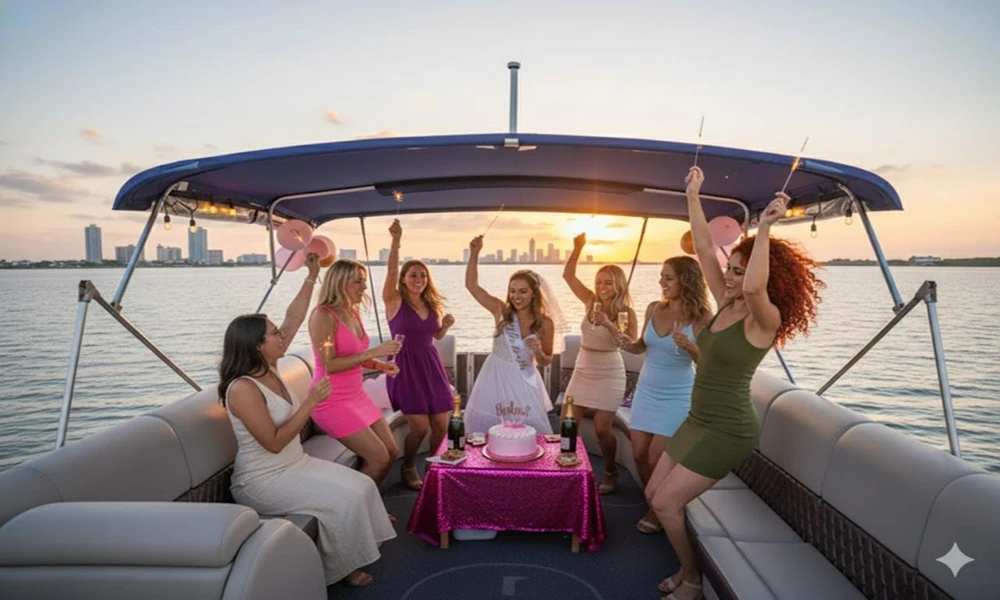
For groups celebrating near the coast, waterfront settings can offer an appealing alternative to conventional indoor parties. Exploring options such as Long Island party boats can help organizers compare private group cruises with traditional event spaces, particularly when considering guest capacity, entertainment, and onboard amenities.
However, a distinctive location doesn’t automatically make an event successful.
Consider how the venue supports your group’s actual needs. Is there comfortable seating? Can guests move around and socialize? Are restrooms accessible? Does the setting offer appropriate shelter from changing weather?
For events on the water, it’s also important to understand boarding procedures, accessibility limitations, departure schedules, and any restrictions on what guests can bring.
The strongest venue choice balances atmosphere with practical convenience.
Build a Budget Around the Complete Experience
An attractive advertised price doesn’t always represent the final cost of hosting a group celebration.
Depending on the venue, additional expenses may include food, beverages, transportation, decorations, service charges, or entertainment.
Before making reservations, establish a realistic spending range and decide which expenses matter most.
For example, a venue that includes staffing, music equipment, and basic event setup may simplify planning compared with arranging these services individually. However, inclusions vary, so always request an itemized breakdown.
Also consider whether guests will contribute financially or whether one person is covering the expenses.
If costs are being shared, communicate expectations early. Unexpected payment requests can create discomfort, especially when attendees have different budgets.
A clear budget allows organizers to prioritize meaningful experiences without creating unnecessary financial pressure.
Keep the Schedule Flexible but Organized
A successful celebration needs enough structure to avoid confusion, but not so much that guests feel they are following a strict itinerary.
Start by identifying the essential moments. These might include guest arrivals, a welcome toast, food service, a group photograph, or a special announcement.
Build the schedule around those activities and leave space for conversation and spontaneous enjoyment.
Travel time deserves particular attention. If guests are coming from different parts of Long Island, account for potential traffic, parking arrangements, and the time needed to reach the venue.
For experiences with fixed departure times, communicate an earlier arrival deadline so late guests don’t disrupt the schedule.
It’s also useful to designate one organizer who can communicate with the venue, answer questions, and handle unexpected changes.
When responsibilities are clear, everyone else can focus on enjoying the occasion.
Make Entertainment Inclusive Rather Than Overwhelming
Entertainment should complement the event, not dominate every moment.
A carefully selected playlist, a shared activity, or a simple group game can create opportunities for interaction. However, not every guest enjoys loud music, dancing, or organized competitions.
Try to balance active entertainment with relaxed social time.
For example, guests might enjoy music during the main celebration while having quieter periods for conversations, photographs, and refreshments.
Consider the age range and preferences of everyone attending. A mixed-generation family gathering will likely require a different atmosphere than a friends-only birthday celebration.
You can also invite guests to suggest favorite songs or activities ahead of time, giving them a small role in shaping the experience.
The goal isn’t to keep everyone constantly entertained. It’s to make participation enjoyable without putting anyone under pressure.
Prepare for Weather and Last-Minute Changes
Even carefully organized celebrations can face unexpected complications.
Outdoor events may be affected by rain, strong winds, or uncomfortable temperatures. Transportation delays, cancellations, and dietary requirements can also create challenges.
Instead of attempting to predict everything, focus on preparing for the most realistic disruptions.
Ask the venue about weather-related policies, cancellation terms, and rescheduling options. If your event involves outdoor activities or boating, understand who decides whether conditions are suitable and how guests will be notified.
Collect important information from attendees in advance, including dietary restrictions and accessibility requirements.
Finally, share essential details in one clear message: arrival time, location, parking instructions, dress suggestions, and a contact number.
Good communication prevents small uncertainties from becoming stressful problems.
Conclusion
An enjoyable group celebration doesn’t require an elaborate theme, expensive decorations, or a packed entertainment schedule. It requires thoughtful decisions that reflect the people attending.
By understanding guest preferences, selecting a suitable venue, setting a transparent budget, and allowing room for flexibility, organizers can create an atmosphere where everyone feels welcome.
The most successful celebrations aren’t necessarily the most extravagant. They’re the ones where people can relax, connect, and enjoy the occasion together.