
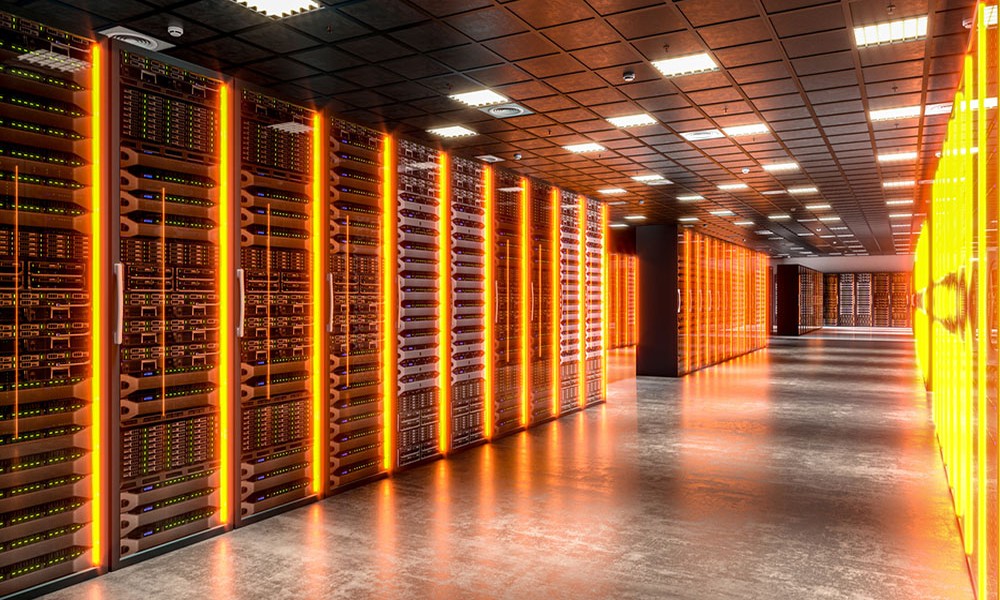

The heartbeat of the digital world pulses inside data centers, yet few realize the complexity behind making these facilities reliable, scalable, and sustainable for decades. Adhering to Uptime Institute standards is not just a badge of honor, it’s a strategic blueprint that shapes every layer of a data center’s design and operation.
What Are the Uptime Institute Standards and Why Do They Matter for Data Centers?
Uptime Institute standards are the gold standard in certifying data center resilience and performance. Their tier system (Tier I to Tier IV) isn’t just about prestige; it dictates exactly how a facility is engineered to withstand failures, disasters, and routine maintenance, all while keeping critical systems online.
Understanding Tier Levels: From Tier I to Tier IV
Tier I describes basic infrastructure with limited redundancy. Step up to Tier II, and you get some redundancy in power and cooling. Tier III requires multiple independent distribution paths, so maintenance can happen without shutdowns. At the top, Tier IV facilities are fault-tolerant and can withstand any individual equipment failure or distribution path interruption.
How Uptime Standards Impact Reliability and Availability
Each tier directly ties to expected uptime. For businesses where every minute of downtime is costly, even a Tier II’s 22 hours of annual downtime is unacceptable. Moving to Tier III or IV ratchets up the reliability and shrinks downtime expectations, often to under five minutes a year. That promise is why so many operators pursue strict compliance.
How Does Modularity Influence Long-Term Data Center Planning?
Rapid change defines the tech landscape. Building a monolithic, rigid facility can leave you boxed in as requirements evolve. Modularity, in contrast, keeps options open and supports growth without massive overhauls.
Benefits of Modular Design for Scalability and Maintenance
Modular data centers incorporate scalable components that allow for phased expansion. This means you can start with what you need today and add capacity as demand grows. Modular layouts also simplify maintenance, sections can be isolated and serviced without halting operations.
Case Study: Applying Modularity in a 20-Year Data Center Plan
Take the 109,000 sq. ft. Montreal-area data center designed by Stendel + Reich data center architect. Built to Uptime Institute standards between Tier II and III, it integrates modular systems to flex with client needs across a 20-year horizon. By designing with modularity in mind, this facility can evolve as technology and market demands shift, instead of remaining static.
What Power Requirements Must Be Considered to Meet Uptime Standards?
Power isn’t just a utility, it’s the lifeblood of a data center’s reliability strategy. Matching Uptime Institute standards means thinking well beyond the basics.
Calculating Power Needs: The Role of Megawatts and Redundancy
Modern data centers often measure requirements in megawatts. For instance, that Montreal facility handles a hefty 10 MW load. Redundancy is crucial: deploying dual power paths, backup generators, and uninterruptible power supplies (UPS) ensures continuous operation even if the grid fails.
Designing Backup Systems for Extended Autonomy
A robust generator system, like the installation providing 48-hour autonomy in the case study above, is essential. This window allows for grid restoration or fuel delivery during prolonged outages and is a core expectation for facilities targeting higher Uptime Tiers.
How Do Physical Infrastructure and Cleanroom Specifications Affect Data Center Performance?
The building envelope and specialized spaces aren’t afterthoughts, they directly impact performance, regulatory compliance, and the ability to handle sensitive workloads.
Importance of Cleanrooms: Size and Functionality Considerations
Cleanrooms, such as the impressive 35,000 sq. ft. section in the Montreal project, are critical where even microscopic contaminants can corrupt hardware or high-precision operations. Their size and air quality standards must align with the facility’s function, supporting everything from semiconductor manufacturing to high-sensitivity server arrays.
Structural Design Elements That Support Uptime Compliance
Robust structural systems protect against fire, flooding, and seismic events. Security features, environmental controls, and compartmentalization help maintain integrity and meet Uptime certification requirements.
What Are the Key Architectural and Engineering Challenges in Building to Uptime Standards?
Designing a compliant data center is an exercise in juggling competing priorities.
Balancing Cost, Space, and Performance
Premium uptime doesn’t come cheap. More redundancy means bigger footprints, higher energy consumption, and significant up-front investment. The challenge is finding the right mix to support business goals without unnecessary waste.
Integration of Complex Systems: Generators, Cooling, and Fire Suppression
Adding layers of redundancy also means integrating complex generator arrays, advanced cooling solutions, and robust fire suppression, all without introducing new points of failure.
How Can Data Centers Be Designed for Future-Proofing and Flexibility?
Change is inevitable. Facilities that can’t adapt risk rapid obsolescence.
Adapting to Technological Advances Over Decades
Designing with modularity and flexible infrastructure makes it easier to slot in new technologies or expand capacity. Raised floors, underfloor cabling, and flexible power distribution are key tactics.
Strategies for Maintenance and Upgrades Without Downtime
Building in concurrent maintainability, so that critical systems can be serviced without taking the data center offline, ensures continuous service even during upgrades.
What Are the Typical Costs and Investment Considerations When Following Uptime Institute Guidelines?
Sticker shock is real, but dissecting costs clarifies the trade-offs.
Budgeting for Construction and Operational Expenses
Initial outlay covers land, building, equipment, and labor, but ongoing expenses include energy, maintenance, and periodic upgrades. For example, the Montreal data center’s $80 million construction cost reflects a significant investment in both resilience and future readiness.
Cost-Benefit Analysis: Reliability vs. Initial Investment
Higher Uptime Tiers cost more up front but pay off in avoided outages, regulatory compliance, and operational continuity. The incremental cost can be justified by reduced risk and increased business confidence.
How Do Local Regulations and Environmental Factors Influence Data Center Design?
Locality matters. Regulations and climate shape everything from materials to energy strategies.
Compliance with Regional Building Codes and Standards
Data centers must satisfy not only international standards, but also local codes around fire safety, seismic resistance, and accessibility. Coordination with municipal authorities is non-negotiable.
Environmental Sustainability and Energy Efficiency Measures
Sustainable features, high-efficiency cooling, renewable energy sources, and smart waste management, help meet regulatory requirements and reduce environmental impact, a consideration only growing in importance.
In the world of data centers, Uptime Institute standards are a compass, not a finish line. By taking a holistic, future-focused approach, organizations can create facilities that don’t just keep the lights on today, but can evolve and excel for decades to come.