
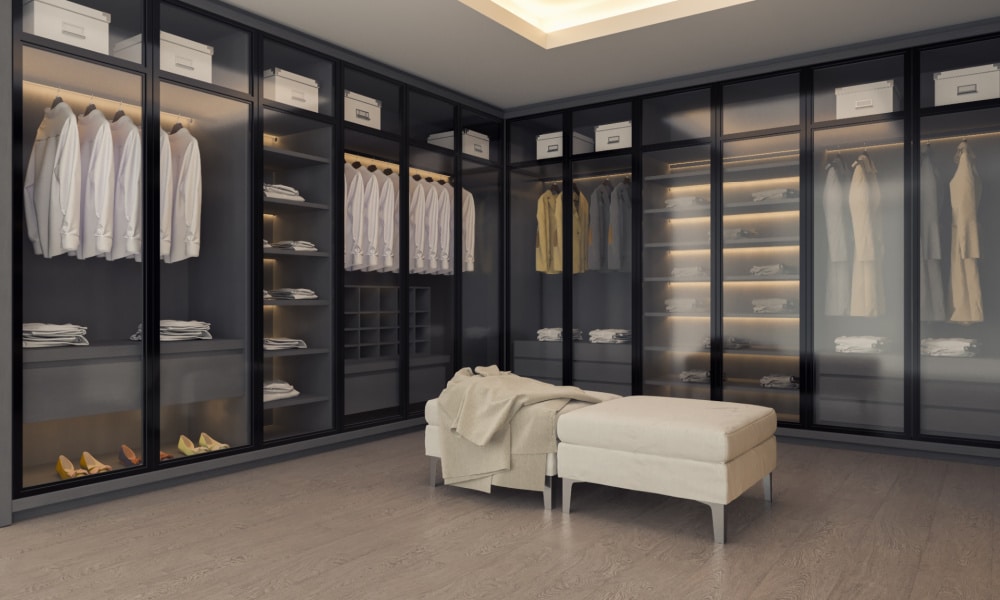

Most wardrobes are built slowly. One suit for work. Another for a wedding. Maybe a third bought in a hurry before an event.
And then one day, standing in front of the mirror, something feels disconnected. The colors do not quite align. The fits vary. Some jackets sit well. Others feel slightly off. That is usually when the idea of tailored suits for men starts to make sense in a deeper way.
Not as a single purchase. But as a system. Structured tailoring is not about owning more clothing. It is about building pieces that work together over time.
Fabric As A Long Term Decision
- Fabric choice is rarely dramatic. It is quiet but powerful.
- A mid weight wool works well for year round use in many climates. Lighter wool suits warm conditions. Heavier fabric offers stronger structure in cooler environments. Blends introduce stretch and flexibility.
- But the decision should consider lifestyle. If travel is frequent, wrinkle resistance matters. If daily office wear is common, durability becomes important.
- Sometimes men focus on color first. Fabric performance should come earlier.
Feature Spotlight One Shoulder Construction
- Shoulder construction defines presence more than most people realize.
- Structured shoulders create sharper lines and formal authority. Soft shoulders feel more relaxed and modern. Neither approach is wrong. It depends on personality and context.
- A strong shoulder can enhance a slimmer frame. A softer build may complement broader proportions. The choice subtly shifts how the suit communicates.
- It is not obvious at first glance. It becomes obvious over time.
Feature Spotlight Two Lapel Proportion
- Lapel width often follows trends. But proportion should follow body shape.
- Wider lapels balance broader chests. Narrower lapels suit slimmer builds. Extremely thin lapels may look dated quickly. Overly wide lapels may overpower the frame.
- A balanced lapel rarely draws attention. That is the point.
- Quiet proportion lasts longer than fashion cycles.
Feature Spotlight Three Internal Structure
- Inside the jacket lies its hidden strength.
- Full canvas construction molds gradually to the body. Half canvas offers structure with lighter weight. Fused construction may reduce cost but can limit breathability and longevity.
- These choices are invisible to most observers. They are very noticeable to the wearer after hours of use.
- Comfort is not always visible. It is felt.
The Human Factor
- No suit is perfect on the first try.
- Fittings reveal adjustments. Sleeve length may shift slightly. Waist shaping may be refined. Trouser taper may change after movement tests.
- This process is not a flaw. It is part of the craft.
- And sometimes a small alteration makes a surprisingly large difference.
Longevity Over Trend
- Fashion shifts quickly. Structure should not.
- A well proportioned navy suit purchased today can still work years later if the fit remains appropriate. Trend driven extremes rarely age well.
- Structured tailoring aims for stability. Not boredom. Stability.
When proportion, fabric, and construction align with the individual, confidence grows quietly.
The tailored suits for men often begins as a search query. Over time, it becomes a strategy.
A strategy for consistency. For comfort. For reducing uncertainty in front of a mirror.