
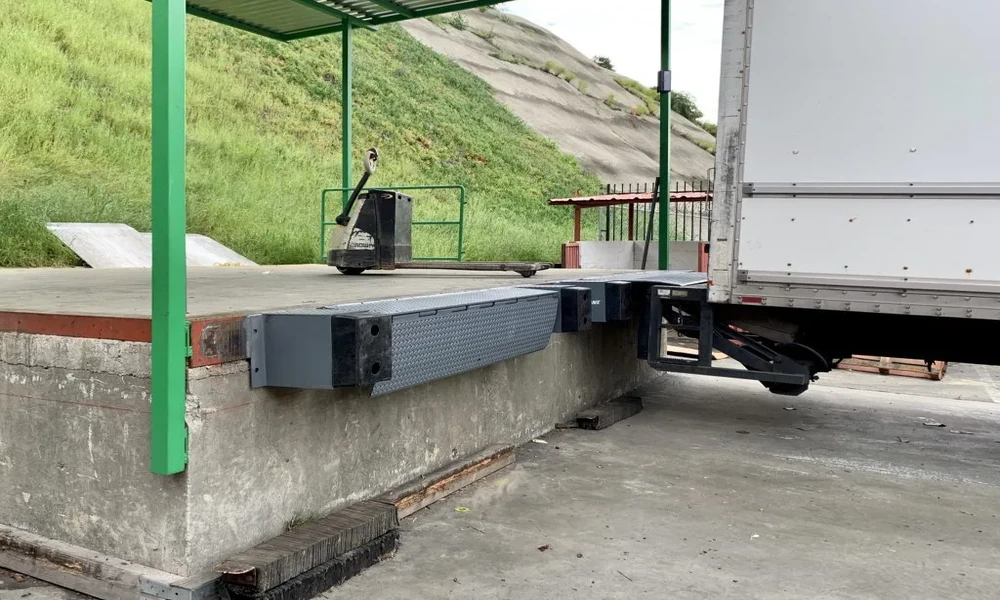

Every second counts on a busy loading dock, but the difference between smooth operations and costly downtime often comes down to one piece of equipment: the dock leveler. The right type is more than a convenience; it is the shield between efficient workflow and safety hazards.
Understanding Dock Levelers and Their Role in Loading Operations
At its core, a dock leveler bridges the gap between the warehouse floor and the back of a truck or trailer. This adjustment compensates for height differences, ensuring forklifts and pallet jacks can move safely and efficiently. A reliable dock leveler not only eliminates delays but also prevents the jolts, drops, or misalignments that can damage goods and injure workers.
But not all dock levelers are created equal. Performance is measured by how well a model balances safety, speed, and durability over time. A unit that operates smoothly day after day, withstands heavy loads, and requires minimal attention is invaluable for any facility where loading and unloading are routine.
Overview of Main Types of Dock Levelers
Hydraulic Dock Levelers: Mechanism and Applications
Hydraulic dock levelers use fluid power to raise and lower the platform. With the push of a button, hydraulic cylinders smoothly move the deck into place. Ideal for high-volume, high-capacity docks, these levelers handle the heaviest loads with minimal manual effort. They also tend to offer advanced safety features, such as automatic lip extension and emergency stop functions.
Mechanical Dock Levelers: How They Operate and When to Use Them
Mechanical levelers rely on a system of springs, levers, and manual activation. Operators must pull a chain to release the deck, which then rises through stored energy from the springs. While less costly upfront, mechanical models require more regular maintenance to keep moving parts in good condition. They are often chosen for operations with moderate traffic and budget constraints.
Pneumatic Dock Levelers: Features and Ideal Use Cases
Pneumatic units utilize an airbag or bellows system, inflated by an electric blower. This design avoids hydraulic fluids and reduces the risk of leaks. Pneumatic levelers are known for their simplicity, fewer moving parts, and eco-friendly operation. They are well-suited for operations that prioritize minimal maintenance and cleanliness.
Comparative Analysis of Dock Leveler Types
Selecting the right dock leveler means weighing a number of critical factors. The following table summarizes key differences:
| Feature | Hydraulic | Mechanical | Pneumatic |
|—————————-|——————–|——————–|——————–|
| Operation | Push-button | Manual chain | Push-button |
| Maintenance | Low | Moderate-High | Low |
| Upfront Cost | Higher | Lower | Moderate |
| Ideal Use | Heavy, frequent | Light-medium duty | Light-medium, clean|
| Safety Features | Advanced | Basic | Advanced |
| Environmental Impact | Fluid risk | Springs only | No fluid, clean |
Efficiency peaks with hydraulics, especially in high-traffic settings. Pneumatic models offer similar ease of use with fewer maintenance headaches, though they may be outperformed by hydraulics under extreme, constant loads. Mechanical levelers, while simple, can slow operations over time as springs wear or require adjustment.
Safety is paramount. Hydraulic and pneumatic systems typically include safeguards that minimize the chance of sudden drops or malfunctions, whereas mechanical models depend more on operator care.
Maintenance needs also factor into operational costs. Pneumatic and hydraulic units require less hands-on attention, saving labor and reducing downtime. Mechanical units need regular inspection and can require more frequent repairs.
Finally, environmental considerations are not trivial. Pneumatic systems eliminate the risk of hydraulic fluid spills, a concern in food, pharmaceutical, or eco-sensitive environments.
Impact of Dock Leveler Choice on Operational Workflow
A dock leveler’s influence ripples through every aspect of the loading process. Hydraulic and pneumatic systems speed up turnaround, allowing one worker to handle multiple bays with ease. They also provide flexibility with a range of vehicle heights and cargo configurations, preventing bottlenecks when schedules are tight.
Compatibility matters. The leveler must suit the types of trucks and products handled daily. Some units accommodate only standard trailers, while others adjust to specialized vehicles or heavier loads.
Worker health is another factor. Hydraulic and pneumatic models reduce the physical strain of manual operation, supporting ergonomics and lowering the risk of repetitive strain injuries.
Enhancing Loading Operations with Dock Leveler Accessories
True optimization often comes from the details. Retention systems securely lock trailers in place, protecting both personnel and property. Scissor lifts and portable dock lifts add even more flexibility, especially when vehicle heights vary widely or space is constrained.
For facilities looking to upgrade, conversion kits can transform older mechanical or hydraulic systems into more efficient, safer versions. Accessories like dock lighting, bumpers, and wheel chocks round out a comprehensive safety package.
Industry leaders such as Dor Docteur portes de quai de chargement offer a full spectrum of solutions and accessories, helping operators tailor their setup to unique operational demands.
Case Studies: Real-World Applications and Benefits
Heavy-duty manufacturing sites often invest in hydraulic models for their unmatched power and reliability. Commercial warehouses, balancing cost and efficiency, may opt for pneumatic or mechanical units enhanced with safety accessories. In pharmaceutical or food processing, where contamination is a concern, pneumatic levelers and robust retention systems become essential.
Future Trends and Innovations in Dock Leveler Technology
Advancements in automation are transforming the dock, with intelligent control systems enabling remote operation, diagnostics, and integration with warehouse management platforms. Sustainability is also in focus, with manufacturers pursuing low-maintenance, energy-efficient designs that reduce both operational expenses and environmental risks.
In the race to move goods faster and safer, the humble dock leveler is anything but a trivial detail. It is the foundation upon which loading operations succeed, or stumble. Choosing wisely shapes the rhythm, safety, and efficiency of every shipment that passes through the dock doors.