
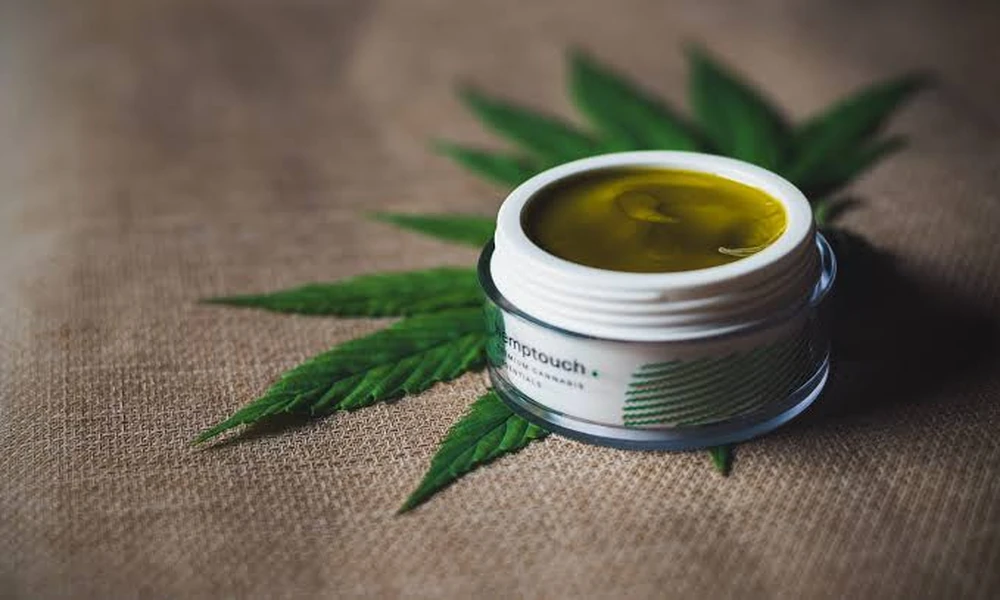

A drugstore shelf holds maybe nine creams that all promise the same thing. The cannabis shelf is worse: tins, tubes, sticks, and jars, all priced like small investments, with labels that read like chemistry homework. If you are standing in a shop or scrolling a product page wondering which one is worth the money, the sorting criteria are simpler than the industry makes them look.
Here is the short version. The product has to be transparent about testing, honest about strength, and built with a base your skin tolerates. Everything else, the packaging and the cute strain names, is decoration. When you browse CBD topicals or any comparable lineup, you’ll notice the good ones lead with lab results and a simple ingredient list. That’s the pattern to look for.
Start With the Form: Lotion, Balm, or Stick?
The form matters more than most shoppers expect, because it decides where and how often you’ll use the thing.
Lotions and creams spread over bigger areas and absorb quickly, which makes them the practical pick for a full shoulder or a long day on your feet. They also tend to come in larger sizes, so cost per use drops.
Balms and salves sit on the surface longer. If you want something that stays put on a dry knuckle or the back of a heel, this is the one. They can feel greasy on a hot day, so keep that in mind.
Sticks and roll-ons are the easiest to carry and apply without washing your hands afterward. I’d pick a stick for a gym bag and a lotion for home. Buying both is not redundant, it’s a routine.
How to Read a Cannabis Topical Label Without a Chemistry Degree
You don’t need a lab coat, just a bit of patience. Here’s the order I’d read a label in.
- Total cannabinoid content per unit, not per jar. A number like “500 mg” means nothing until you know whether that’s the whole container or a single serving. Divide it out and compare products on the same basis.
- The lot or batch code. A real code lets you pull a certificate of analysis and see what a third party found. No code, no proof. Simple as that.
- The ingredient list in order. The first few ingredients make up most of what you’re spreading on your skin. Water, oils, butters, and waxes are typical. If the list is forty items long and half of them are unpronounceable, ask why.
- Carrier oils and delivery notes. Some brands describe how they prepare the blend so it spreads evenly and absorbs. That’s worth a glance, but treat it as a claim, not a guarantee.
- Added fragrance and essential oils. Peppermint and eucalyptus feel nice and can also do a lot of the perceived “cooling” work. That’s fine, just know what you’re feeling.
One habit that saves money: photograph the label of any product you like. When you reorder six months later, you can check whether the formula changed without relying on memory.
Third-Party Testing Is the Line That Separates Brands
Testing is where you can stop guessing. The topicals market has grown fast, and a lot of smaller producers buy their material from the same places as the big ones. The difference is documentation.
Independent labs screen cannabis products for potency and for contaminants, and the National Institutes of Health maintains a broad body of public information on cannabis and its compounds for anyone who wants background beyond a label. Federal health agencies also publish guidance on what to know before using cannabis-derived products. Read one page and you’ll be better informed than most of the people in line at the dispensary.
When you check a certificate, look at three things: the date (recent is better), the sample identification (does it match your batch code), and the contaminant panel (solvents, pesticides, heavy metals, microbials). A certificate that only lists potency is half a certificate. I’d pass on it.
What the Lab Actually Measures
Standards for testing methods come from organizations that write the rules for measurement itself. The National Institute of Standards and Technology develops reference materials and measurement standards that labs use to keep results comparable, which is why two labs testing the same sample should land close to each other. If a brand can’t produce a current certificate, it isn’t meeting the baseline that reputable producers already follow.
Here’s a scenario worth picturing. You find two tins at the same price. One lists a batch code and a dated lab report; the other has a QR code that opens a dead page. That’s not a paperwork problem. It’s a signal about how the company treats everything else you can’t see.
A Cost-per-Use Check That Most Shoppers Skip
Price tags lie. A thirty five dollar tube that lasts six weeks beats a twenty dollar tin you use twice. Before you buy, work out roughly what one application costs.
The three-number check I use: total cannabinoid content divided by container size, then divided by how many applications you expect. Compare that number across three products, not two. The cheapest per jar is rarely the cheapest per use, and the most expensive isn’t automatically the strongest.
That little exercise takes two minutes and has saved me more money than any review ever has. It also exposes products that pad the weight with filler and a fancy lid.
How to Tell Whether It’s Working for You
Set expectations low and specific. Topicals work on the surface, so judge them on how the product feels and behaves: does it absorb without residue, does it layer under clothing, do you find yourself reaching for it out of habit rather than hope?
A few practical ground rules go a long way. Patch test first on a small area, give any new product a week of regular use before you form an opinion, and stop if your skin reacts. Keep one product in rotation at a time so you can actually tell what’s doing what. And read the label again if you plan to use it on children or if you’re pregnant, because the U.S. Food and Drug Administration has issued public guidance on cannabis products and recommends talking to a healthcare professional when you’re unsure.
Questions I Get Asked Most
Does a stronger topical always perform better?
No. A high number on the jar without a delivery system that helps it absorb is just a bigger label. Concentration and formulation have to work together, and a well-made mid-range product often beats a heavy one that sits on your skin.
Should I store it in the bathroom?
Cool, dark, and dry beats humid and warm. A cabinet in the bedroom is better than a shelf over the shower if you want the product to hold its texture.
Are topicals the same as what goes in a vape?
Not at all. The formulations, ingredient lists, and intended uses are different categories. Don’t swap one for the other, and don’t assume a label on one tells you anything about the other.
The Sort That Actually Works
Filter by testing first, form second, price third. That order keeps you from buying a pretty jar with no backup and from paying extra for packaging you’ll throw away. Once you find a product that passes, keep the batch code on your phone so reordering is easy and honest.
One last thought. The brands worth your money will answer a question about their lab reports without flinching. Try it before you buy. What does the reply tell you about the cream inside the tube?


