
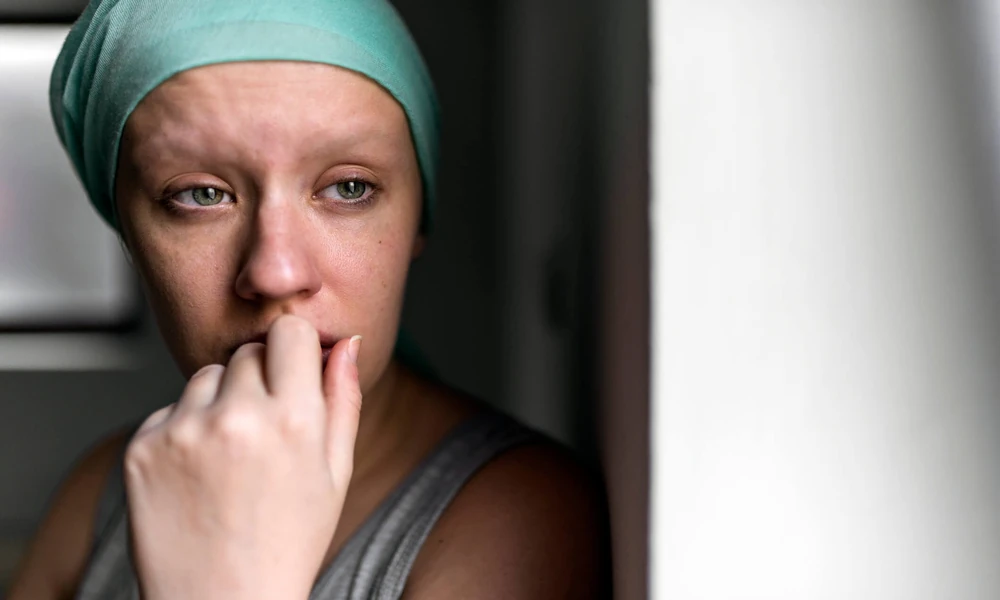

One in five cancer diagnoses in the United States is a rare cancer, and that ratio is the whole problem in a single number. It means your oncologist might see two or three cases a year. It means the Facebook group for your subtype has 400 members worldwide. It means you type your diagnosis into a search bar at 11pm and get a wall of dense clinical abstracts instead of a person who gets it.
I’ve spent years watching how people in this position rebuild a sense of normal, and the ones who do it well follow a pattern. They stop hunting for one perfect support group and start assembling a small, specific roster of help. That roster usually starts with an organization built for their exact disease. If you’re navigating a gastroenteropancreatic, lung, or pancreatic form of this illness, the Neuroendocrine Cancer Foundation runs peer matching, caregiver programs, and clinician-led education that most general cancer charities simply don’t stock.
Here’s what the rest of that roster looks like, and how to build yours without burning out in the process.
Start With the Disease-Specific Organizations, Not the Big General Ones
The American Cancer Society and similar groups do excellent broad work, but rare cancers fall through the cracks of general support systems because the volunteer base is small and the disease vocabulary is different. A general support group meeting will hand you a lot of empathy and very little practical navigation.
I’d pick a disease-specific nonprofit over a general one almost every time for the first six months after diagnosis. The reason is mechanical: rare disease organizations exist because a handful of families built them out of frustration, so they tend to answer the phone. They know which centers see volume. They know which trials are still enrolling. They know the difference between a well-differentiated tumor and a poorly differentiated one, and they won’t make you explain it twice.
When you call one for the first time, ask three things. Do you run a peer-to-peer match? Do you have a caregiver track separate from the patient track? Can you connect me with someone who has my primary site and grade? If the answer to all three is no, keep looking.
What Does Peer Support Actually Do That Medicine Can’t?
Clinical care treats the tumor. Peer support treats the ninety percent of the week when you’re not in a chair getting treatment.
People who talk to someone with the same diagnosis report less isolation, better questions for their oncologist, and far fewer panic spirals between scans. I’ve watched a patient walk into a peer call convinced she needed to switch hospitals and walk out with a list of four questions to ask her current one first. That’s the value. Not advice, calibration.
The trap is treating peer support like a second opinion. It isn’t. Your online friend in Ohio has a different tumor grade, a different treatment history, and a different body. Use them for language, logistics, and courage. Use your care team for decisions.
Peer support gives you the vocabulary. Your oncology team gives you the verdict.
Build Your Roster in Four Layers
Think of your network as four concentric circles, and fill them in this order. Most people try to fill the outer ring first and quit.
- Clinical layer. Your medical oncologist, a surgical oncologist if relevant, and a nurse navigator. Ask specifically who handles your calls between appointments, because “call the office” is not a plan.
- Peer layer. One-to-one matching through a disease-specific group, or a small virtual group capped around eight to twelve people. Large forums are useful for search, not for connection.
- Caregiver layer. Your partner, sibling, or friend needs their own space. Caregiver burnout runs on a delay, so it usually shows up months after diagnosis when everyone else has moved on.
- Practical layer. A therapist who works with chronic illness, a financial navigator, and one person who will drive you to appointments without being asked.
Fill layers one and two in the first month. Layers three and four can wait until you’ve caught your breath, but don’t skip them.
The Screener I Use to Decide If a Group Is Worth My Time
Not every support space helps. Some quietly make people worse. I run every group through a short screen before committing, and I’d suggest you do the same.
| Signal | Green flag | Red flag |
|---|---|---|
| Moderation | A named facilitator or trained peer leader | No moderation, anyone can post anything |
| Tone | Questions answered with questions and sources | Absolute claims about cures and dosing |
| Scope | Clear rules about not giving medical advice | Members diagnosing each other from scans |
| Volume | A few posts a day, replies within a day | Hundreds of posts, nobody replies to you |
| Off-ramps | People who leave because they’re doing well | Every story ends in crisis |
That last row matters more than people expect. A healthy community has people who graduate out of it. If nobody ever leaves because they got better, you’re not in a support group. You’re in a waiting room.
Questions to Bring to Your First Peer Conversation
Walking into a peer call cold is awkward for everyone. Bring a short list. Mine would be: what did you wish you’d known at diagnosis? Who do you call when something feels off? How did you handle the scanxiety before your first restaging? What did you tell your kids, if you have them?
Those four get you further in twenty minutes than two hours of scrolling. And they give the other person something concrete to offer, which matters, because being useful is how long-term survivors stay engaged with newer patients.
You’ll also want to know the broad landscape of survivorship research, because it frames what’s realistic. The National Cancer Institute publishes plain-language overviews of how rare cancers are studied and why trial enrollment looks different for smaller patient populations, and reading one of those before a peer call makes the conversation sharper.
Bring Your Caregiver Into the Room, Separately
There’s a specific failure mode I see repeatedly. The patient joins three support groups. The spouse joins zero. Six months in, the spouse is exhausted, resentful, and has no vocabulary for any of it.
Caregivers need their own peer space, not a seat in yours. The conversations are different. Patients talk about fear of the future. Caregivers talk about guilt, logistics, and the strange loneliness of being the healthy one in the room. Put your caregiver in a group built for them, or at least a caregiver track run by the same organization, and go to a different session yourself.
That separation is also why caregiver-specific programming exists in most rare disease nonprofits. If your organization of choice doesn’t have one, ask whether they plan to. Organizations listen to that question more than you’d think.
Where Patient Education Fits In
Support without information turns into gossip. Information without support turns into anxiety. You want both, and the educational side of the rare cancer world is genuinely strong now, mostly because academic centers have started producing plain-language content for patients instead of clinicians.
Pick one or two recurring education sources and ignore the rest. A monthly webinar series with a specialist, plus one reliable reference page you can check when something new comes up, is plenty. More than that and you’ll spend your energy triaging headlines instead of living. The National Library of Medicine maintains a consumer health reference that stays neutral, which makes it a good backstop when a forum post contradicts something your care team told you.
The Long Game
Rare cancer support isn’t a resource you find once. It’s a roster you maintain. People move, groups go quiet, caregivers change jobs, your needs shift as treatment shifts. Rebuild the roster every six months or so, and don’t feel disloyal for leaving a space that stopped serving you.
The people who handle this best treat connection like a prescription with a refill schedule, not a one-time rescue. So here’s my question for you: which layer of your roster is empty right now, and what’s the one call you could make this week to fill it?